Pre-1600s
Milestone 1
Indigenous use of the watershed
Indigenous peoples, including the Agawam, utilize the lake and surrounding watershed for travel, fishing, hunting, and seasonal gathering.
Loading CLWA...
Past, present & future
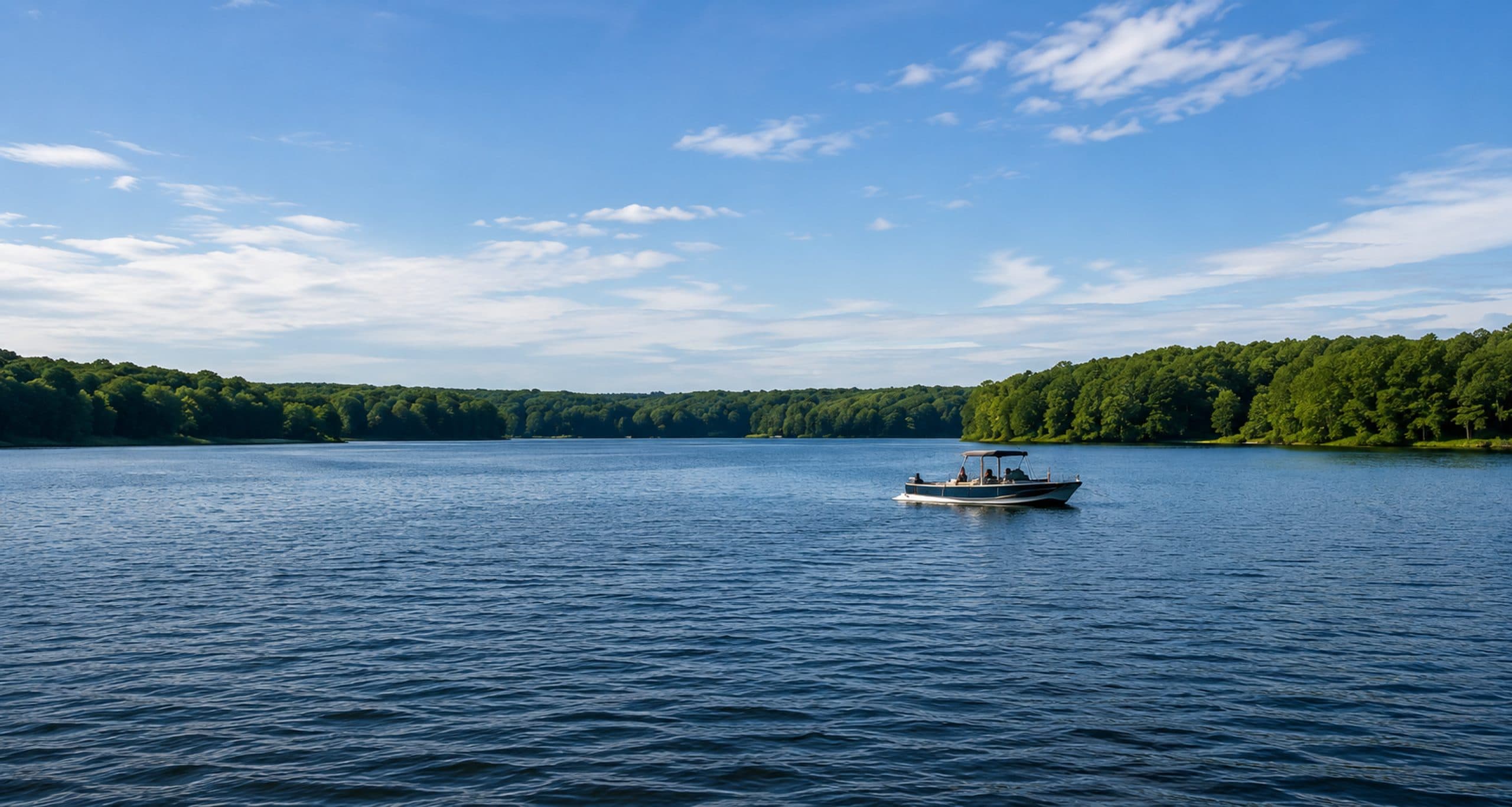
From Indigenous history and nineteenth-century resort life to modern stewardship, Chebacco Lake has long shaped the communities of Hamilton and Essex.
A lake shaped by nature
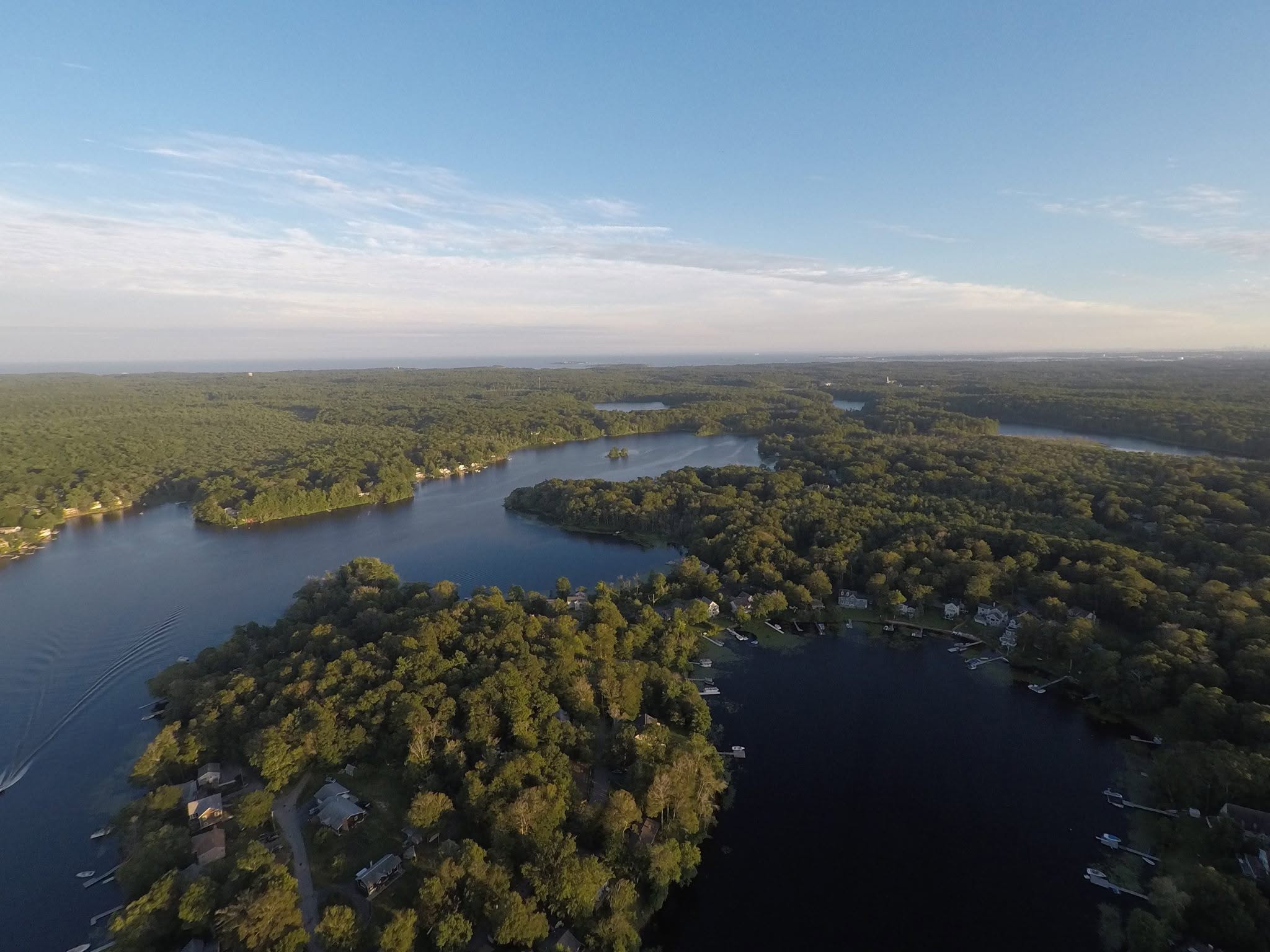
Located in the towns of Essex and Hamilton, Chebacco Lake is a 209-acre Great Pond and the largest waterbody within the Chebacco Lake Watershed. As a Massachusetts Great Pond, it is held in trust by the Commonwealth for public use while remaining an important natural resource for residents, visitors, wildlife, and recreation. The lake drains through Alewife Brook into the Essex River system before ultimately reaching the Atlantic Ocean.
Before European settlement
Long before English settlers arrived in Essex County, the region surrounding Chebacco Lake was home to Indigenous peoples belonging to the Eastern Algonquian cultural tradition.
Historical and archaeological research identifies the area as part of the territory occupied by the Agawam people, who were associated with the larger Pawtucket Confederacy. Rivers, marshes, and lakes throughout the region provided transportation, fishing, hunting, and seasonal gathering grounds.
The name “Chebacco” itself is of Indigenous origin. Historians have proposed several interpretations over the years, including references to the area’s geography or waterways. Because no single translation is universally accepted by modern scholars, the exact meaning remains uncertain.
Colonial settlement
English settlement expanded throughout the region during the 17th century.
The surrounding communities that would eventually become Hamilton and Essex developed as agricultural towns connected by roads, rivers, and coastal trade.
While Chebacco Lake itself was never the site of a major colonial settlement, it served as an important local natural resource providing freshwater, fishing opportunities, and later recreation.
The name “Chebacco” became associated with a much larger geographic region than just the lake itself. Early colonial records referred to the Chebacco Parish, which later became part of what is now the Town of Essex.
Timeline
A quick look at major periods and milestones in the lake’s recorded story.
Pre-1600s
Milestone 1
Indigenous peoples, including the Agawam, utilize the lake and surrounding watershed for travel, fishing, hunting, and seasonal gathering.
1600s
Milestone 2
English settlement grows throughout the surrounding region, shaping the towns that would eventually become Hamilton and Essex.
1859
Milestone 3
Chebacco House opens near the south end of the lake, helping establish the lake as a seasonal resort destination.
1872
Milestone 4
Railroad service near the lake improves visitor access and supports the growth of summer recreation.
1888
Milestone 5
The Winnepoyken Hotel opens, adding to the lake’s role as a North Shore vacation destination.
1910
Milestone 6
Augustus Herring performs an early powered flight from the frozen surface of Chebacco Lake.
1985
Milestone 7
Residents establish the Chebacco Lake & Watershed Association to support responsible use, water quality, habitat, and stewardship.
Resort era
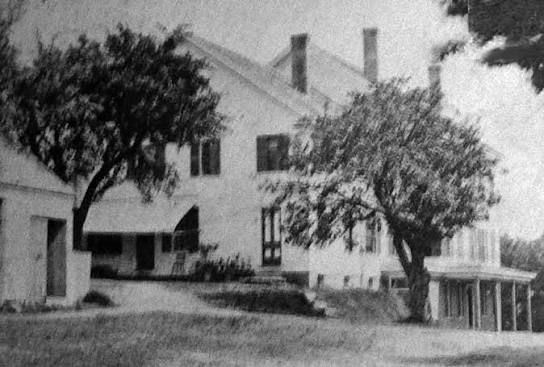
Built in 1859 near the southern end of the lake, Chebacco House helped make the lake a destination for vacationers, banquets, social gatherings, and recreation.
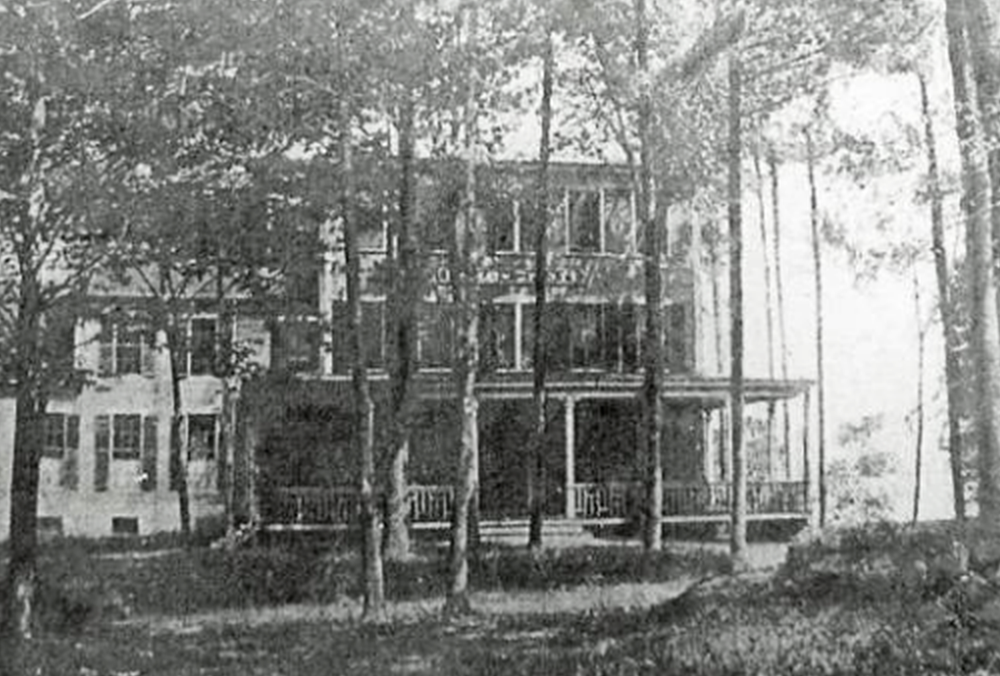
Opened in 1888, the Winnepoyken Hotel was part of the lake’s nineteenth-century resort period, when families came from Boston and surrounding communities for summer vacations.
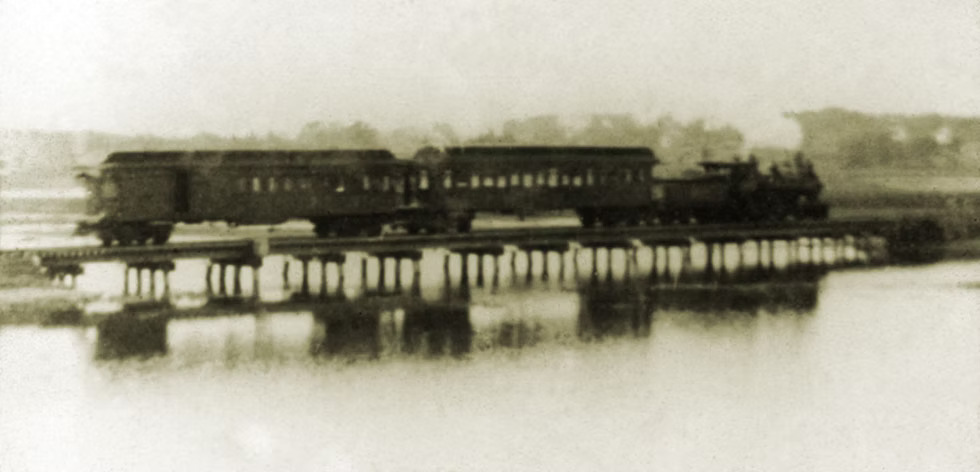
The expansion of rail service made Hamilton and Essex more accessible. Visitors arriving by train were often transported by carriage to hotels and boarding houses along the shoreline.
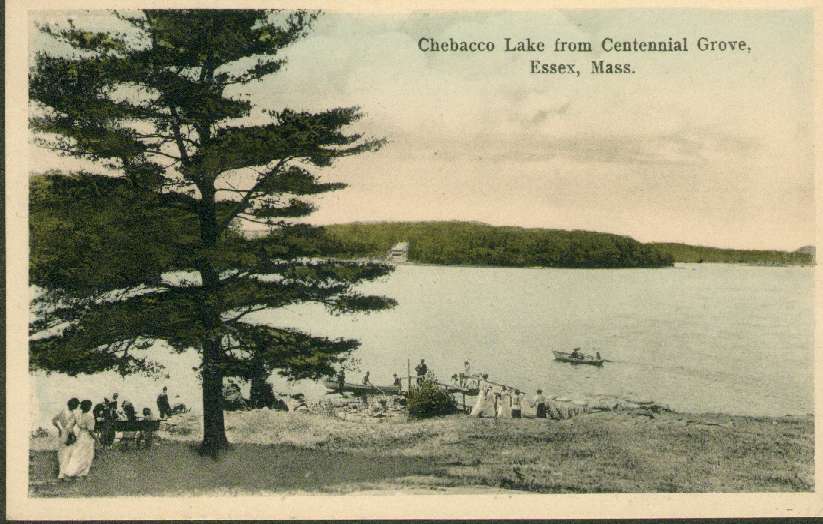
Many visitors also camped around the lake, making Chebacco one of the North Shore’s early resort and outdoor recreation destinations.
Ice harvesting
Before mechanical refrigeration became widespread, frozen lakes across New England supplied communities with natural ice.
Like many Massachusetts lakes, Chebacco Lake supported an ice harvesting industry during the nineteenth and early twentieth centuries. Workers cut large blocks of ice from the frozen lake each winter, storing them in insulated ice houses for use throughout the warmer months.
Natural ice was an important commodity for preserving food before electric refrigeration became common.
Early aviation
One of the more unusual events in the lake’s history occurred during the winter of 1910.
On February 28, 1910, aviation pioneer Augustus Herring conducted a brief powered flight from the frozen surface of Chebacco Lake.
The aircraft became known locally as the “Flying Fish,” and historians recognize the flight as one of the earliest successful powered flights in New England, occurring only a few years after the Wright brothers’ historic achievements.
Changing land use
Throughout the twentieth century, the character of Chebacco Lake gradually shifted.
Many former vacation cottages became year-round homes, while improvements to roads and automobiles reduced dependence on rail travel.
Residential development increased around portions of the shoreline, bringing new opportunities for lakefront living while also creating environmental challenges associated with stormwater runoff, septic systems, and nutrient loading.
As development increased, protecting water quality became an increasingly important priority for local residents and municipal governments.
Conservation and stewardship
Growing concern over water quality eventually led to greater community involvement in protecting the lake.
In 1985, residents established the Chebacco Lake & Watershed Association to promote responsible use of the lake and its watershed while protecting water quality, wildlife habitat, and recreational opportunities.
Today the Association works closely with the towns of Hamilton and Essex, state agencies, scientists, volunteers, and community partners to monitor water quality, educate the public, support environmental research, and encourage stewardship throughout the entire watershed.
Chebacco Lake today
Today, Chebacco Lake continues to serve many roles within the community. It is a destination for boating, kayaking, canoeing, fishing, paddleboarding, swimming, wildlife observation, bird watching, and environmental education. At the same time, it remains an ecologically sensitive Great Pond facing ongoing challenges including nutrient pollution, invasive species, harmful algal blooms, and climate-related changes affecting water quality and habitat.
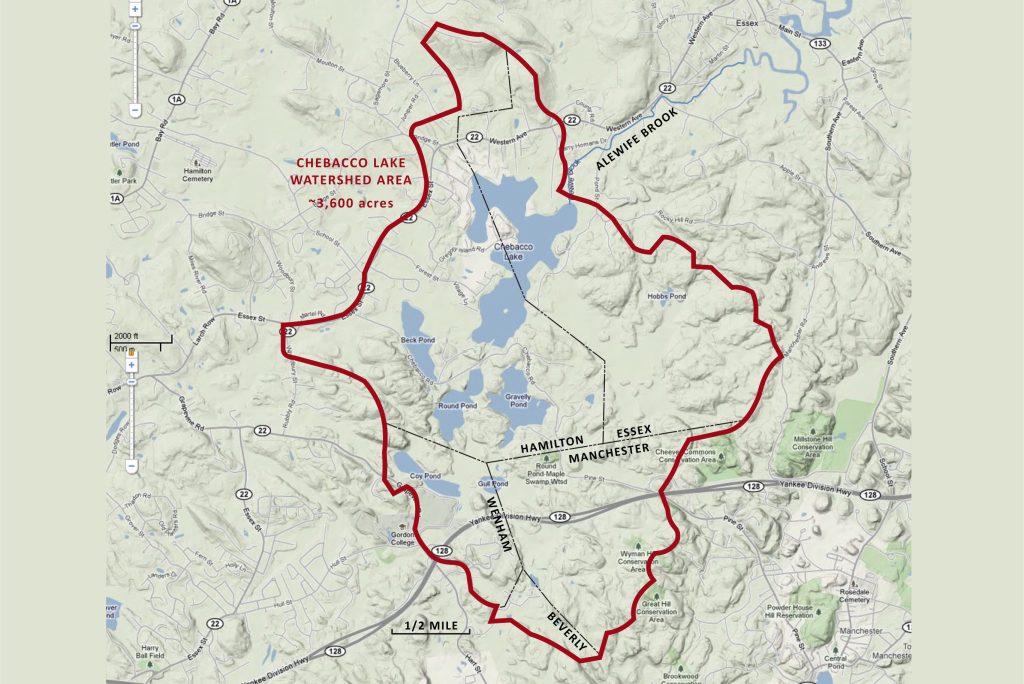
“The continued health of Chebacco Lake depends upon collaborative stewardship by residents, visitors, scientists, volunteers, municipalities, and organizations working together.”
Chebacco Lake stewardship
Protect Chebacco Lake
Chebacco Lake’s history is still being written. Join the Association or get involved to help protect one of the North Shore’s most valuable freshwater resources for future generations.